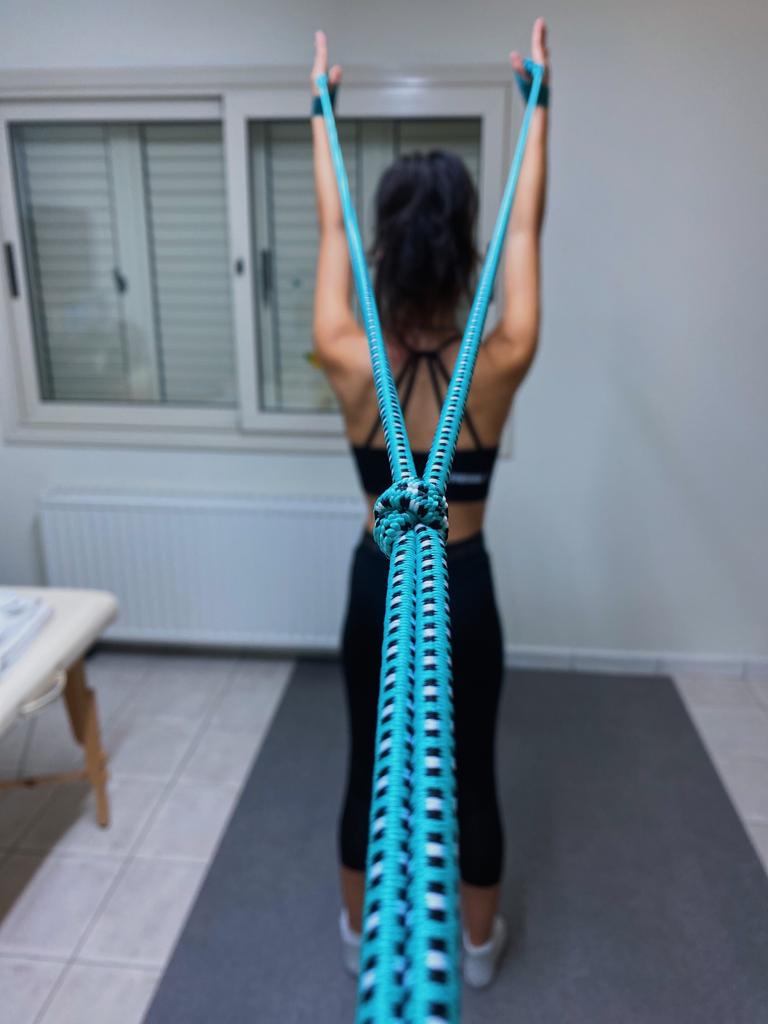
Spiral stabilization is a unique therapeutic exercise method developed by Dr. Smišek in 1979 and is been used since then with positive feedback from thousands of patients.
It is a successful method used as a treatment for mostly musculoskeletal conditions, prevention of any upcoming injuries and maintenance for an active pain free lifestyle.
This method is based on exercising the body’s muscle chains, improving overall posture and strengthening core muscles. As a result this will allow you to be coordinated and have muscle symmetry.
More specifically, some conditions for treatment are, back pain, disc herniation, scoliosis/kyphosis/lordosis, post-operative spine therapy, hernias, headaches, athlete training and more.
The method is suitable for children, adults, elderly and athletes.
Who needs spiral stabilization
The method is suitable for children, adults, elderly and athletes.
Some conditions for treatment are:
Back pain
Disc herniation
Scoliosis/kyphosis/lordosis
Post-operative spine therapy
Hernias
Headaches
Athlete training
Spiral Stabilization can be an effective method to treat many conditions you might think are unrelated.
The method is suitable for children, adults, elderly and athletes.
Some Basic Principles of Spiral Stabilization
Basic principles:
Spiral muscle chains stabilisation
Active relaxation of paraspinal muscles
increasing intervertebral spaces by spinal traction
All exercises are performed on the body’s vertical axis
Muscle chains:
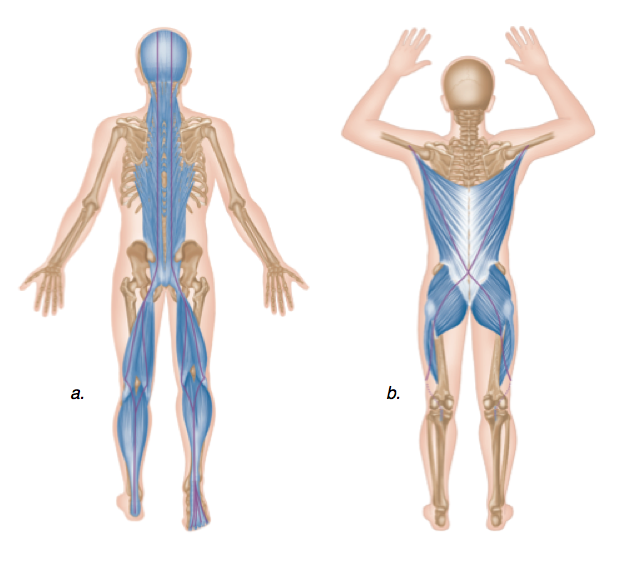
We have vertical and spiral muscle chains. Vertical chains are the body’s stabilisers when at rest (sitting or standing still). They are often tight and when activated during movement can cause spinal compression. whereas, spiral chains are usually weak and need strengthening. They are stabilisers when the body is in motion and when used they can cause regeneration of the spine.
Muscle chains can be seen individually and as a combinations are they work together to form a muscular corset.
Reciprocal inhibition has been discovered, meaning the when some chains are activated, others are inhibited.
During compound movements (several muscle chain activation) some muscle have higher activation than when in isolated movements.